
MiniMax
MiniMax M3.1 Flash
The cheapest model in this roster, and the one whose newer benchmark set produced two unrunnable scenes.
API pricing
USD per million tokens · MiniMax API Standard- Input
- $0.15
- Output
- $0.6
- Cached input
- $0.015
- Context window
- 1M
Try the active visual tests
Open the generated scene to test it, or compare that prompt with another model.
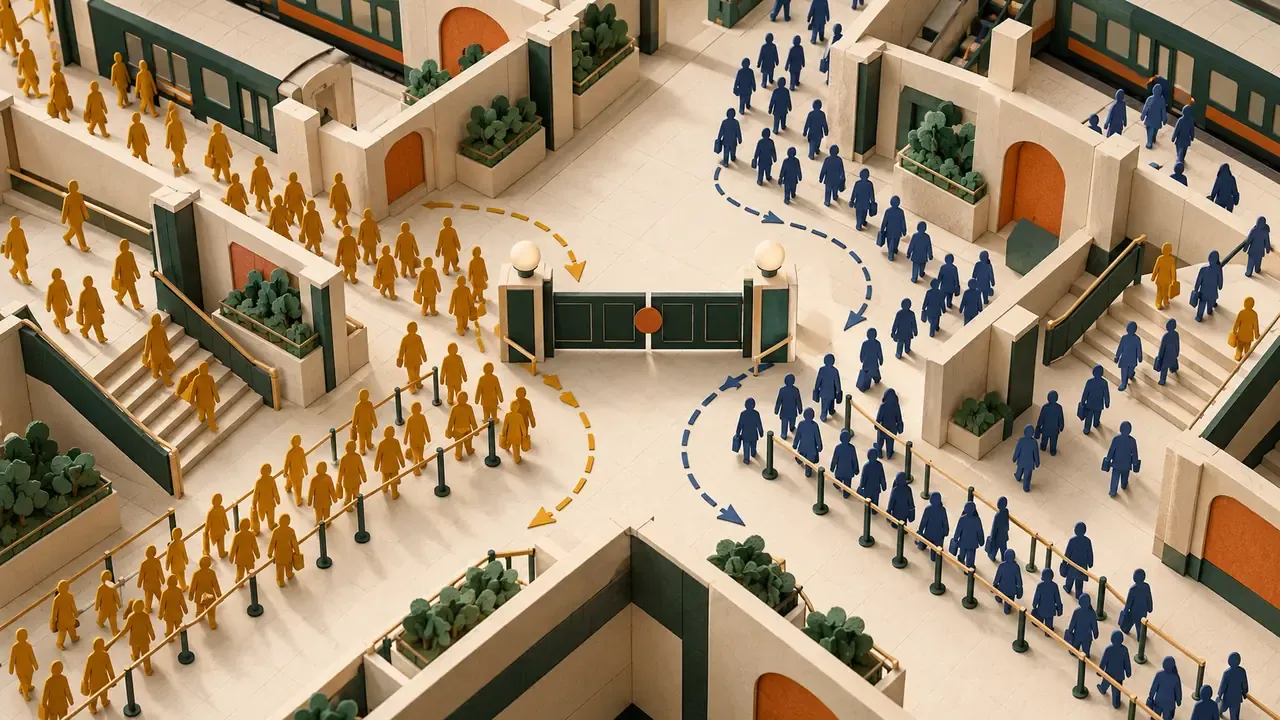
Concourse Divide
Run date: 2026-10-27
Generation provenance: unrecorded
Superbench 2.1 brief · tool-free single-message authoring, no repair turn
Visible agent rerouting, collision avoidance, and recovery from blocked connectivity.

Ember Glider
Run date: 2026-10-26
Generation provenance: unrecorded
Superbench 2.1 returning brief · original 1.x run protocol
Sunset gliding journey testing flight energy management, checkpoint flow, and atmospheric scene craft.

Lightkeeper's Atelier
Run date: 2026-10-27
Generation provenance: unrecorded
Superbench 2.1 brief · tool-free single-message authoring, no repair turn
Material differentiation, dynamic light, geometric shadows, and art direction.
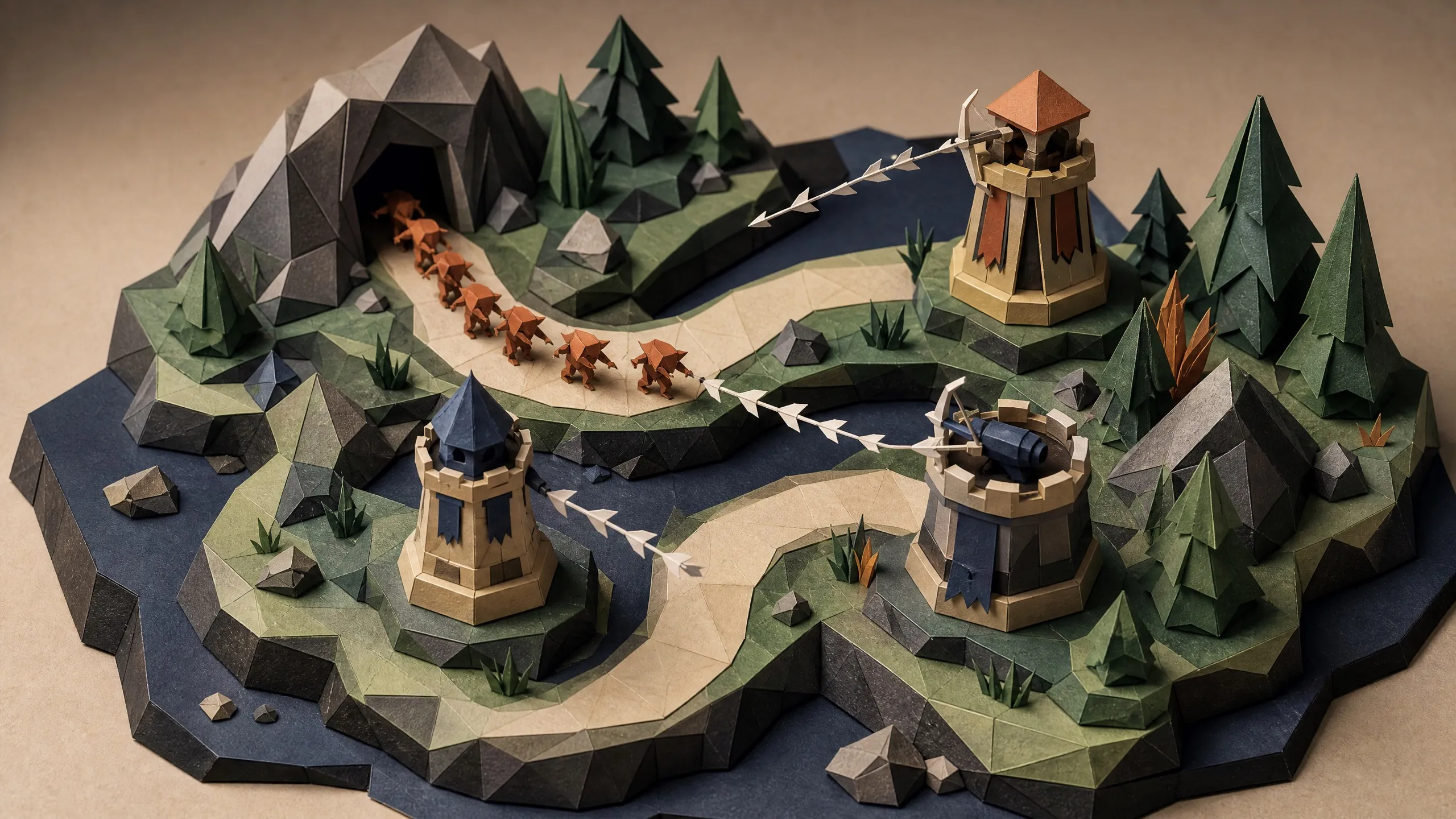
Low-Poly Tower Defense
Run date: 2026-10-26
Generation provenance: unrecorded
Superbench 2.1 returning brief · original 1.x run protocol
Diorama tower defense testing economy balance, wave design, placement rules, and combat readability.

Neon Drift
Run date: 2026-10-26
Generation provenance: unrecorded
Synthwave time-trial racing testing drift physics, lap timing, ghost replay, and unlock progression.

Skyhook Cargo
Run date: 2026-10-27
Generation provenance: unrecorded
Superbench 2.1 brief · tool-free single-message authoring, no repair turn
Suspended-load physics, solid contact, and truthful telemetry.
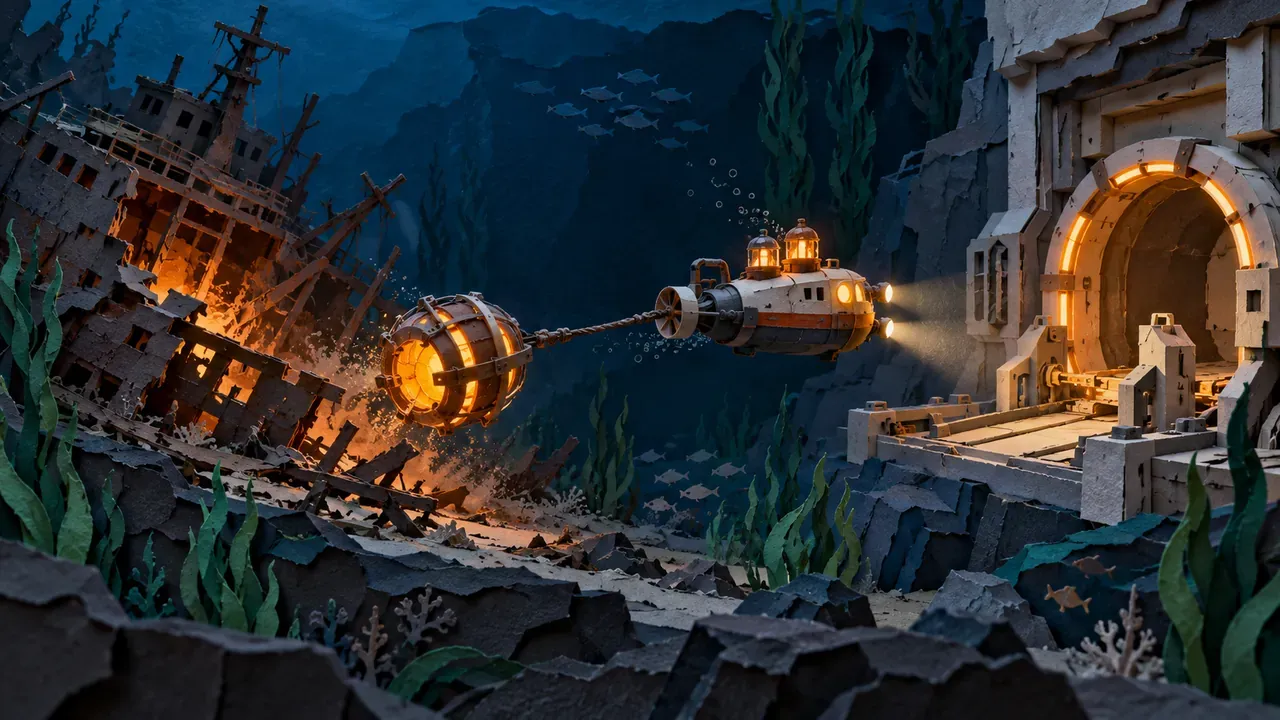
Wrecklight Salvage
Run date: 2026-10-27
Generation provenance: unrecorded
Superbench 2.1 brief · tool-free single-message authoring, no repair turn
Three-phase game progression with persistent physical cargo and a visible late-stage consequence.
Local benchmark run
Seven visual builds, including the four new Superbench 2.1 contracts
Sources, pricing details and methodology
Run identity
Model specifications
- Status
- Available in this Codex session
- Codex model ID
MiniMax-M3.1-Flash- Run date
- October 27, 2026
- Access route
- MiniMax API, M Plan, and MiniMax Code. The live API model ID is MiniMax-M3.1-Flash. Weights were not released at launch. The October 26-27, 2026 benchmark sessions run on the harness route labelled with that model ID and publish three Superbench 1.x core artifacts plus all four Superbench 2.1 briefs, including two failed runs and one failed required behaviour disclosed in the run record.
Flat rate with no long-context tier. The priority service tier is 1.5x standard.
Benchmark sources
Neon Drift, Ember Glider and Low-Poly Tower Defense were assigned to three separate MiniMax M3.1 Flash agent sessions on the Superbench 1.x core prompts. The four Superbench 2.1 briefs — Skyhook Cargo, Concourse Divide, Lightkeeper’s Atelier and Wrecklight Salvage — each went to a fresh isolated authoring agent that received one frozen prompt file and one output path. No reference implementation, sibling run, other model output or site source was supplied to any builder.
MiniMax M3.1 Flash Superbench visual benchmark run recordThese are inspectable local artifacts, not provider benchmark scores, passed rubrics, or an aggregate rating. The run record separates the two delivery protocols. Per-artifact reports distinguish the checks that passed, the failures that were found, and the checks that remain not-observed; two of the four 2.1 briefs are published as failed-run evidence and a third failed a required behaviour.
Editorial verdict
Where this model fits
MiniMax M3.1 Flash is the Flash generation of MiniMax M3, released on October 19, 2026. It keeps M3 one-million-token context and native multimodality, adds tunable thinking depth, and drops to a flat $0.15 input and $0.60 output per million tokens — the cheapest entry in this ranking. Our own evidence is now seven visual builds: the three October 26 Superbench 1.x core briefs — Ember Glider, Low-Poly Tower Defense and Neon Drift — plus the four new Superbench 2.1 contracts from October 27 — Skyhook Cargo, Concourse Divide, Lightkeeper’s Atelier and Wrecklight Salvage. The 1.x set is clean: three working artifacts, zero console errors, one defect found and fixed before publication. The 2.1 set is the weaker half. Wrecklight Salvage is a working three-phase salvage game whose honest victory rule, gate cycle and review fixture all behaved as specified. Concourse Divide boots and simulates correctly but fails the required South-only recovery. Skyhook Cargo never advances its physics at all, and Lightkeeper’s Atelier throws on boot and never draws its scene. Both failures are published as evidence rather than repaired.
Best for
Watch out
Why it is ranked here
Evidence
Superbash editorial model ranking
Takeaway: MiniMax M3.1 Flash is currently placed in Tier A.
The November 2026 editorial roster places MiniMax M3.1 Flash at rank 10.
Open source →MiniMax M3.1 Flash: Redefining Agent Performance and Cost
Takeaway: M3.1 Flash halves the price of M3 and holds frontier-adjacent agent and coding scores.
The launch post states the flat $0.15 input, $0.60 output and $0.015 cached price per million tokens, the DeepSWE, OSWorld V2, Agents’ Last Exam, BankerToolBench and CyberGym figures, and the 200+ tokens per second output rate.
Open source →MiniMax M3.1 Flash Superbench run record
Takeaway: Seven visual builds, including the four new Superbench 2.1 contracts, with two failed runs published as evidence.
The run record lists both delivery protocols, the per-brief reviewer conclusions and the limits of the delivery, including that the model version was read from the harness route rather than returned by the provider.
Open source →Related guides