Sell a $2K Storyboard Before Anyone Shoots
Package eight frames and three motion tests as a $2K decision sprint that can save a team from an expensive wrong shoot.
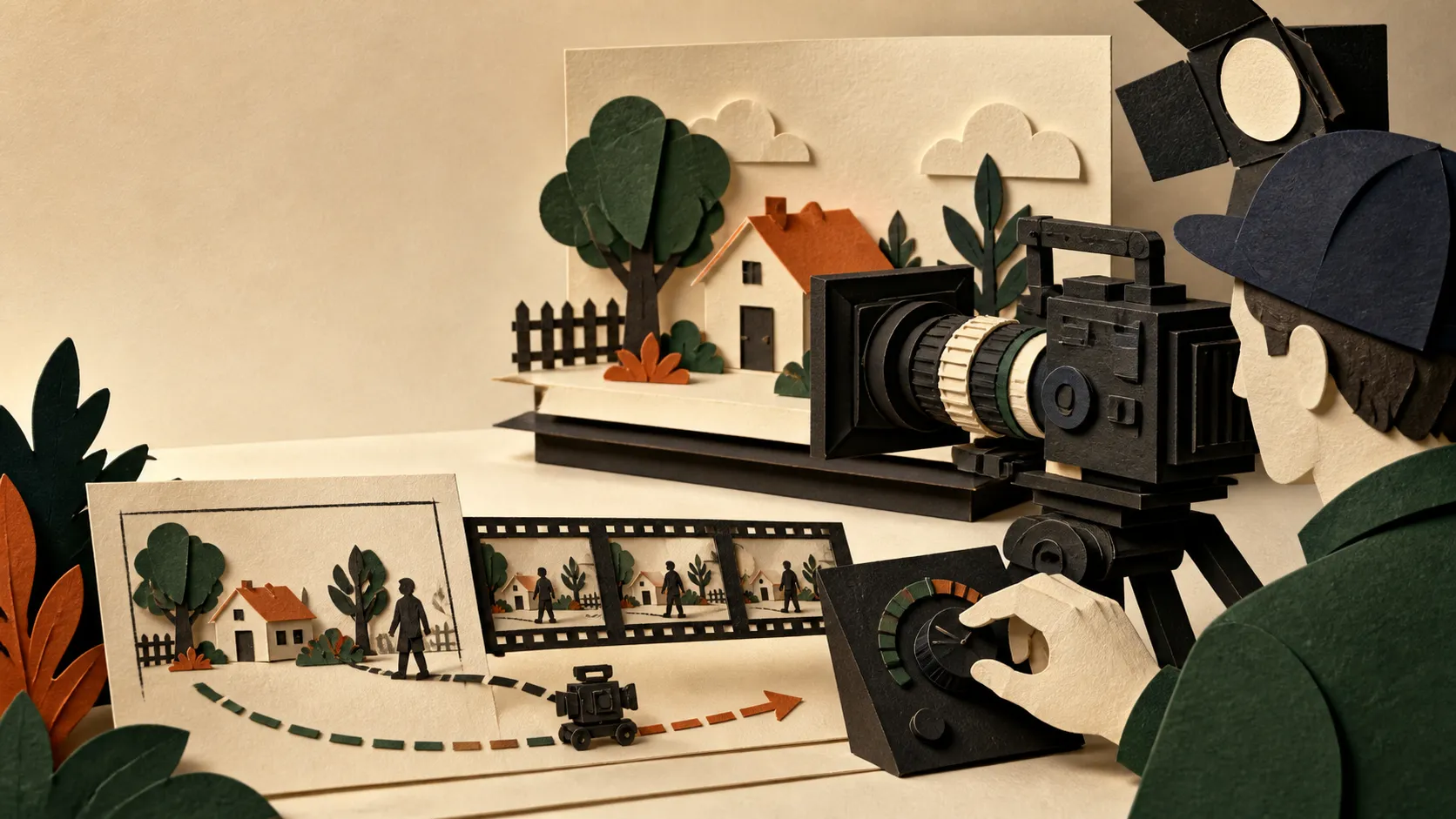
Start with buyer and deliverable.
Buyer
Agencies, directors, production companies, event teams, founders, and internal marketing leads planning a shoot or campaign.
Final delivery
An 8-frame storyboard, 2–3 animated motion tests, shot notes, and an approval PDF or board.
Starting asset
Creative brief, script or treatment, locations, product and cast references, brand rules, and production constraints.
Tool stack
- Higgsfield Popcorn or image tools
- Higgsfield video generation
- Presentation or storyboard layout tool
Build one reviewable result.
- 01
Find the decisions the board must unlock
Ask what remains disputed: story order, casting, location, product visibility, camera move, VFX, or cost. A pretty storyboard that answers no production decision is decoration.
Done when: Client names the decisions and approvers before image work starts. - 02
Convert script into shot beats
For each beat, write framing, subject action, camera, transition, dialogue or sound, and production note. Limit the first board to the frames needed for approval; detail can follow direction lock.
Done when: Every frame maps to a script beat or explicit decision. - 03
Generate a coherent frame sequence
Use up to the current reference limits shown in the tool, then choose manual or automatic sequence generation where available. Keep faces, clothing, products, lighting, and spatial geography consistent. Correct a broken frame before animating it.
Done when: Client can follow who is where and what changes. - 04
Animate only uncertain motion
Make short motion tests for camera paths, transitions, creature or VFX behavior, or product movement that cannot be judged from stills. Mark them as previsualization, not final footage.
Done when: Each motion test answers one named production question. - 05
Run an approval meeting from the artifact
Present frame number, decision, assumptions, and open question. Capture approved/revise/reject state. Update the board and export a dated version so later production changes are visible.
Done when: Every frame has an owner and status after the meeting.
Direct variables you can review.
Replace every bracket. Keep one visible action and one camera intention per shot.
Project: [campaign, film, event, or product launch].
Frame number and beat: [what changes here].
Subject and action: [specific].
Framing and camera: [shot size, height, lens feeling, movement].
Continuity: preserve [cast, wardrobe, product, location, lighting].
Production question: [decision this frame must unlock].
Label: illustrative previsualization, not final footage.Reject weak work before buyer sees it.
- Board answers named production decisions.
- Characters, products, and geography remain coherent.
- Illustrative or generated media is labeled clearly.
- Version date, approvals, and open questions are recorded.
Sell a bounded outcome.
A fixed-fee previsualization sprint before production is quoted or booked.
Package scope
- Decision workshop
- Eight storyboard frames
- Three motion tests
- One approval session
- One revised board
Simple pitch
Before you spend on a crew or full campaign, I will turn the brief into eight frames and three motion tests your team can approve or reject together.
Proof to show
Show initial brief, decision map, storyboard, motion test, and approved production change.
Protect the margin
Price by decisions, frames, and revision rounds. More stakeholders usually mean more approval work; reflect that in scope.
Commercial use still needs human judgment.
- Mark all generated visuals as illustrative.
- Do not represent synthetic locations, talent, or products as already secured.
- Obtain rights for every supplied face, brand, and reference image.
Your assignment
Take a 30-second script and produce an eight-frame decision board. Animate only the two movements hardest to explain in still images.
Check current tools and examples
Product names, models, controls, plans, and credit costs change. Official product pages and labeled creator examples were checked on August 19, 2026; confirm current controls before quoting client work.