Projects & coding · Tutorial 06
We Ditched WordPress for Astro and Saved Thousands
Boxmining moved 544 posts from WordPress to Astro 7 and Vercel after plugin bloat, slow pages, and four-figure hosting bills.
0 of 1 complete
Reference guide · Read when needed · View the route
Last tested and updated: July 2026
We finally stopped paying the WordPress tax.
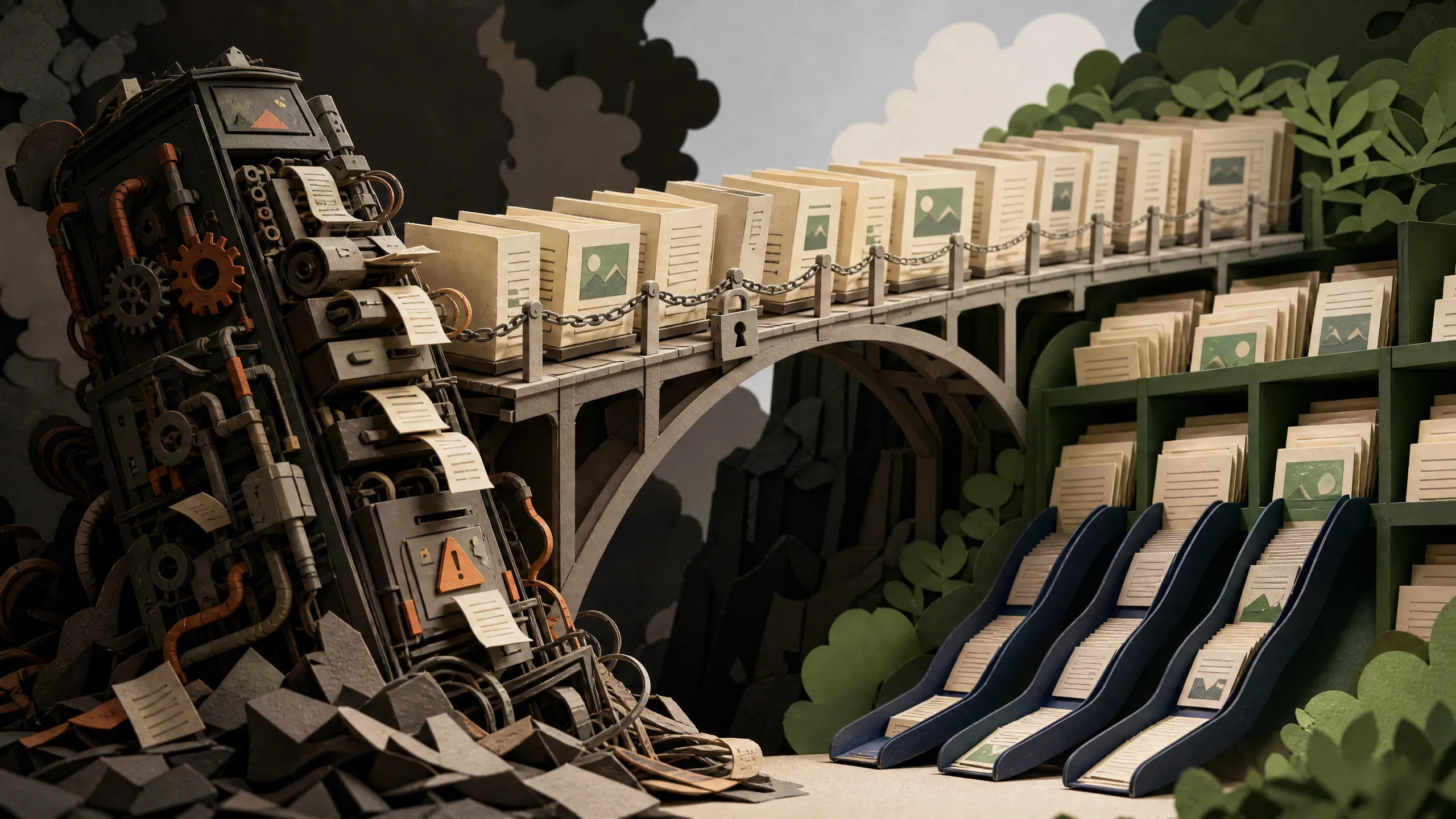
Boxmining had run on WordPress for years. It helped us publish a huge library of crypto articles, but the old install became a drag on the business: slow pages, a bloated database, plugins we could not safely rip out, and hosting bills that made no sense for a publication whose main job is serving articles.
So we moved the editorial archive to Astro 7, deployed it on Vercel, and made the reader-facing site static by default. We did not just give the homepage a fresh coat of paint. We moved 544 posts, protected valuable old links, kept the few features that genuinely need live data, and got rid of the machinery that made every article request heavier than it needed to be.
WordPress had become a money pit
WordPress was not the problem on day one. It was the accumulation.
Every new feature meant another plugin, another setting, another database table, another thing that could conflict with the rest of the stack. Years later, the site was carrying old plugin residue that could not be completely removed without risking the live publication. The database had grown large. A normal article visit had to wake up PHP, WordPress, plugins, queries, caches, and historical configuration before a reader saw a page.
That is ridiculous for a published article. The article already exists. It should be ready to serve.
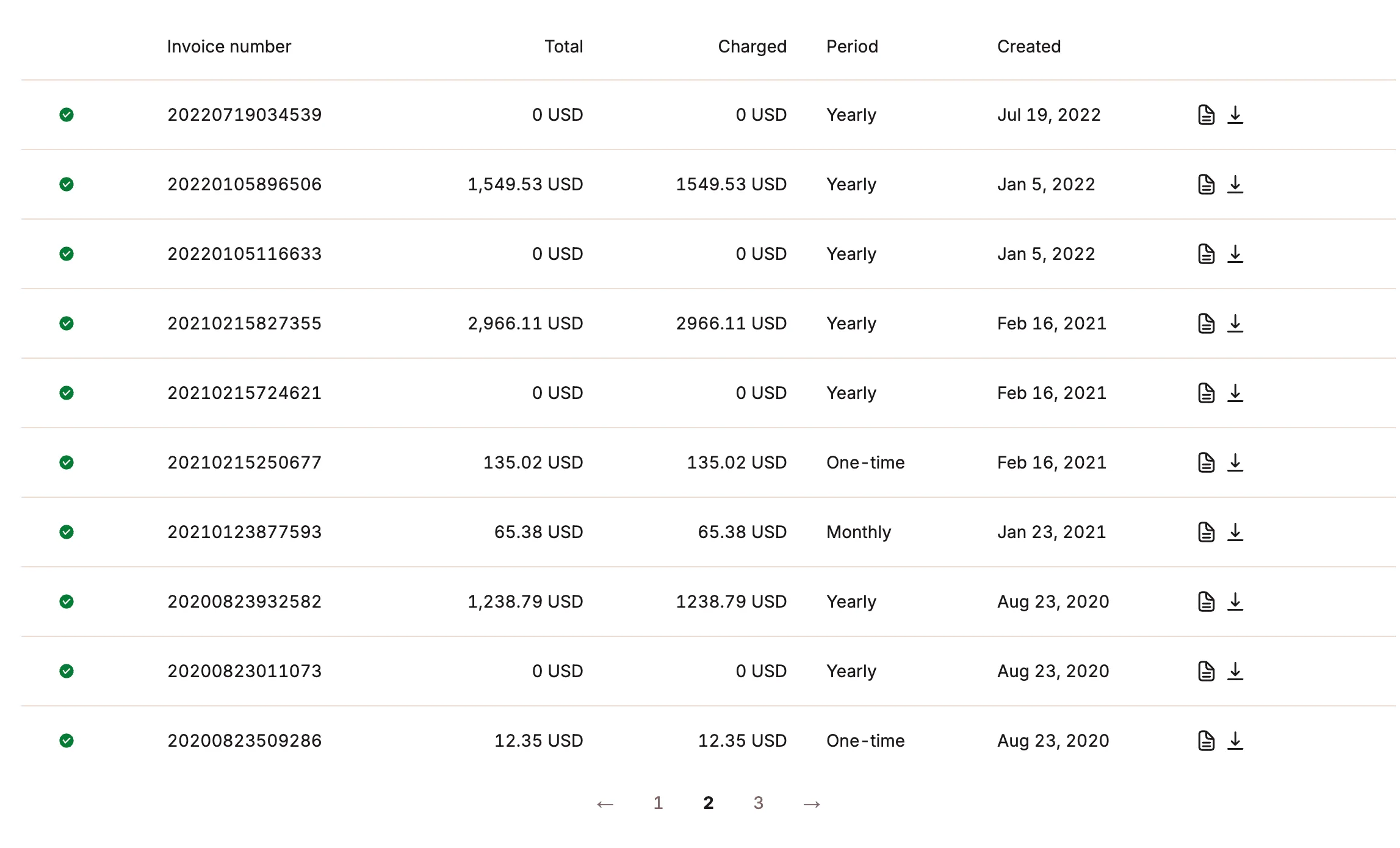
The historical invoices made the financial case impossible to ignore. The supplied records show annual hosting charges of $1,238.79 in August 2020, $2,966.11 in February 2021, and $1,549.53 in January 2022. Those three annual invoices alone add up to $5,754.43, before the separate monthly and one-time charges shown in the same account.
We moved the archive, not just the homepage
The easy version of this project would have been a shiny new homepage pointing at the old WordPress site. That would have solved nothing.
We migrated the real asset: the article library. The new codebase contains 544 local article files, with the article text and metadata stored as Markdown. Astro builds those pages before deployment, so readers receive a finished page instead of waiting for a CMS to assemble one on every visit.
Here is the practical before-and-after:
- Before: a reader asked WordPress, PHP, plugins, and a database to construct an article.
- After: Vercel delivers a prebuilt Astro page from the edge.
We also kept the parts that had to stay live. Airdrop data and analytics still have focused services behind them. The important move was refusing to make every ordinary article pay the cost of those dynamic systems.
Astro is brutally fast for a content site
Astro fit Boxmining because it does the obvious thing well: it builds content pages ahead of time.
An article does not need a database query and a full plugin stack every time someone opens it. Astro turns the source into static HTML during the build, then ships only the JavaScript a page actually needs. That means less work on the server, less code for the browser to download, and fewer things between a reader and the page.
The difference is not subtle. The old site had to boot an application to show an article. The new site starts with a finished document. That is why Astro feels so fast for a large publication.
We chose Astro 7 because it gave us that static-first path without boxing us in. Most of the site can stay simple and fast, while a route can still be dynamic when there is a real reason for it. That is the right trade: make the common path cheap, then earn every exception.
Vercel killed the hosting headache
We host the rebuild on Vercel. A push creates a deployment and Vercel serves the generated files globally. No PHP runtime to tune. No WordPress database to nurse along. No plugin update roulette just to keep old articles online.
For a static project on an appropriate workload, hosting can be close to free. Vercel’s Hobby tier is currently listed at $0 for personal, non-commercial use, while a commercial publication should use the plan that matches its traffic and terms. Either way, the static setup is a completely different cost profile from the old four-figure hosting bills.
That is where the savings came from. We did not find a magical cheap WordPress host. We removed the expensive architecture from the common path.
How we pulled it off
If you are doing this yourself, resist the urge to start with the homepage. The safest path is to move the valuable content first, protect the links people already use, and only then improve the presentation.
1. We saved the content first
We exported the articles, titles, dates, images, categories, and other useful metadata. Every post became a portable Markdown file instead of a row trapped inside the old WordPress database.
2. We rebuilt the reading experience around the content
Astro reads the local files and generates the article pages at build time. Writers now have content that is reviewable in Git, easy to back up, and not dependent on an aging admin panel staying healthy.
3. We protected the links people already use
Search rankings and old links are part of the product. We preserved important routes and added redirects for legacy paths, including old WordPress upload URLs. A migration that breaks years of search traffic is not a win, no matter how nice the new homepage looks.
4. We kept dynamic features on a short leash
Not everything belongs in a static file. We kept live data where it adds real value, but isolated it instead of letting it turn the whole site into a server-rendered application again.
5. We deployed, tested, and watched the misses
Before and after launch, we checked the pages readers and search engines actually hit. We monitored missing URLs, fixed redirects that mattered, and left dead junk dead. You do not need to recreate every broken scraper URL from the last decade.
What we got back
Boxmining no longer boots WordPress and carries years of plugin and database baggage just to serve an article. The pages are prebuilt and delivered as static files, which is a faster model for this kind of site.
The invoices above show why the old setup had to go. Static deployment removed expensive infrastructure and maintenance from the main publication. The savings are visible in the bills, not inferred from a pricing calculator.
The move also gave us control of the archive. It now lives with the codebase, where we can review changes, rebuild the site, restore a file, and deploy without gambling on a plugin update or hidden database setting.
We are deliberately not inventing a single page-load score here. Automated testing tools can be challenged by edge protection, so a one-off bot result would be misleading. The right scoreboard is real-user data from Vercel Speed Insights and GA4, compared before and after on the same pages. But the architectural result is clear: the old request-time stack is gone from the ordinary article path.
If your WordPress site feels like this, migrate it
You do not need to hate WordPress to outgrow it. If your content site is slow, plugin-heavy, difficult to update, and weirdly expensive, the answer is not always another cache plugin or a larger server.
Do this instead:
- List the pages, assets, and URLs that still matter.
- Export the valuable content into a portable format.
- Build the new site as a preview before touching DNS.
- Map redirects for real readers and real search traffic.
- Make the static version the default, then add dynamic services only where they earn their keep.
For a publication, this is a much cleaner way to operate. The content becomes durable. Hosting becomes simple. And the site stops making every reader wait for the history of your CMS.
The Boxmining verdict
Moving Boxmining.com from WordPress to Astro was absolutely worth it. We saved a lot of money, cut the operational mess, and made a large content site much faster.
If you are paying thousands to keep an old WordPress publication alive while every new plugin makes it slower and more fragile, stop patching around the problem. Move the content, preserve the links, and let a static site do the boring job of serving pages fast.
Keep learning
- L01: Coding with Claude Code explains the build, test, and review loop that makes a migration safe.
- L04: Building a niche directory site shows how to choose the smallest architecture that solves the real problem.
- Astro content collections explains the file-backed content model used for this kind of rebuild.
- Vercel pricing has the current plan limits and usage allowances.