Product case study · October 29, 2026
Create a Claude Code Output Style That Separates Evidence
Build a project-local Claude Code output style, check facts against a fictional brief, and restore the default after a controlled comparison.
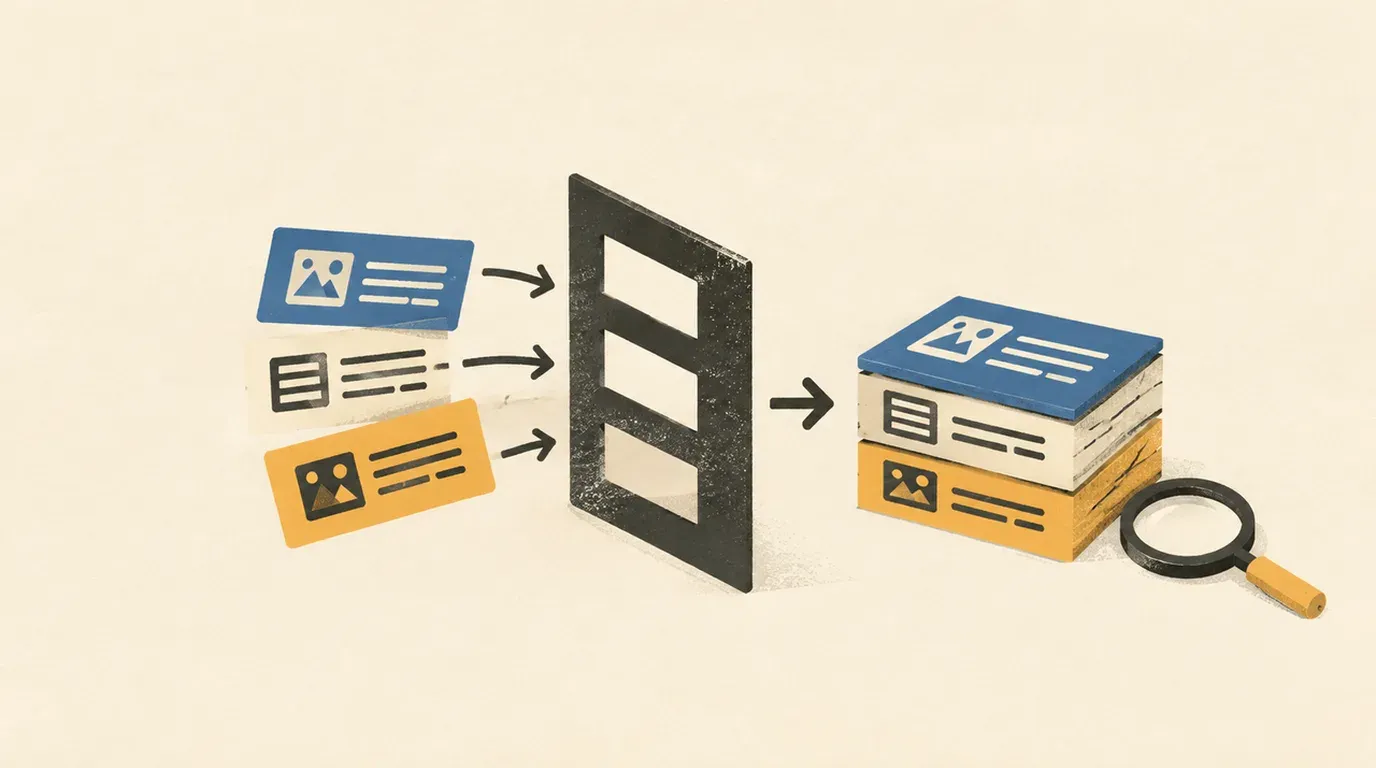
Use a custom style to make evidence gaps easier to inspect, then judge the facts separately from the formatting.
A tidy agent answer can still mix supplied facts with guesses. This exercise gives those categories separate places: Facts, Unknowns and Next checks. You will create a custom Claude Code output style, compare two answers to one fictional brief, and record whether the format actually helped you spot unsupported claims.
Sources checked October 29, 2026. We verified the official documentation, local CLI version 2.1.304, and the shell setup below. We did not run authenticated model sessions. The answer criteria are authored checks for you to run, not reported Claude results.
You need Bash and an installed, authenticated Claude Code CLI. Start with the project-session lesson if you have not used it before. Keep this exercise outside an existing repository and use only the supplied fictional data.
Build the style in a disposable folder
Anthropic documents custom styles as Markdown files in .claude/output-styles/. They shape session responses but do not enforce correctness. The keep-coding-instructions field retains engineering guidance when the full system prompt is used. Restart the terminal session after creating or editing a style. Official output-style guide.
Run this in Bash:
lab_root=$(mktemp -d /tmp/claude-style-lab.XXXXXX)
mkdir -p "$lab_root/project/.claude/output-styles" "$lab_root/evidence"
cd "$lab_root/project"
cat > .claude/output-styles/evidence-review.md <<'STYLE'
---
name: evidence-review
description: Separate supplied facts, unknowns and proposed checks
keep-coding-instructions: true
---
For substantive answers, use these three Markdown headings in order:
## Facts
State only facts supported by the supplied material or observed tool results.
## Unknowns
List missing evidence. Do not turn a planned action into a completed result.
## Next checks
Suggest concrete verification actions. Label them as proposals unless run.
Keep each section to at most three bullets. If a section has no content,
write "None identified" rather than inventing an item.
STYLE
cat > "$lab_root/evidence/prompt.txt" <<'PROMPT'
Review this fictional handoff using only the information in this message.
The team changed an export button label from Download to Export.
The handoff says CSV is supported. A PDF export is proposed for later.
No test output or release approval is attached.
What can the reviewer conclude, and what should they check next?
Answer in chat only. Do not use tools, edit files, or save memories.
PROMPT
cp .claude/output-styles/evidence-review.md "$lab_root/evidence/style.before.md"
claude --version > "$lab_root/evidence/cli-version.txt"
printf 'Keep this lab path: %s\n' "$lab_root"
The style is deliberately small. It changes how an answer is organized; it contains no project policy, test commands or deployment procedure. This is a session-format exercise, not a reusable task skill.
Save a Default answer first
From the new project directory, start claude. Confirm the displayed directory, then enter:
/output-style defaultThe current documentation supports direct selection with /output-style on version 2.1.269 or later; older installations can use the Output style menu under /config. Selection is saved to project-local settings. Output-style controls.
Paste the exact contents of ../evidence/prompt.txt as your next message. Do not paste the style instructions or the acceptance table below. Save the answer manually as ../evidence/default-answer.txt, outside the project folder, and exit Claude fully.
Keep the normal permission controls. If Claude attempts an unrelated action, decline it and record the deviation. The prompt’s request to avoid tools is an instruction, not a sandbox.
Select the custom style in a fresh conversation
Start claude again from the same project directory. Enter:
/output-style evidence-reviewRun /output-style without an argument to inspect the selection. If the style is missing, stop here and follow the troubleshooting table below. Then paste the same prompt, unchanged. Save this response as ../evidence/styled-answer.txt and exit.
Starting fresh keeps the first answer out of the second conversation. The CLI reference distinguishes a new interactive launch from --continue and --resume; avoid those options for this comparison. You are comparing two individual responses, not measuring a reliability rate.
Score content and presentation separately
Open both saved answers yourself. Use this answer key, which describes the fictional fixture rather than a real product:
| Check | Acceptable observation | Failure to flag |
|---|---|---|
| Label change | Download became Export. | Claiming the navigation location changed. |
| Supported format | The handoff says CSV is supported. | Treating PDF as shipped. |
| Evidence gap | Test output and release approval were not supplied. | Claiming tests passed or release was approved. |
| Proposed verification | Suggest checking the label and a sample CSV export. | Saying those checks already ran. |
| Style structure | Styled answer has Facts, Unknowns and Next checks in that order. | Missing sections or mixing proposed work into completed results. |
Write a short note beside the saved answers: installed CLI version, selected style, which factual checks each answer passed, and whether the custom answer followed its structure. A Default answer may already separate evidence well. That is a valid observation; this exercise does not assume the custom style wins.
Do not accept three correct headings as proof of a correct review. A sentence such as “PDF export is available” fails the content check regardless of its heading. Equally, a correct answer with missing headings passes the factual check and fails the formatting check. Keeping these judgments separate makes the next revision useful.
Inspect the configuration and switch back
Back in the original shell:
cat .claude/settings.local.json
cmp "$lab_root/evidence/style.before.md" \
  .claude/output-styles/evidence-review.md
find . -type f -print
Inspect the outputStyle selection in the settings file. cmp should exit zero with no output if the style is unchanged. Expect the authored style and a local settings file; inspect any extra files. This is a check of the practice folder, not a trace of all machine activity.
Anthropic distinguishes user settings in ~/.claude/settings.json, shared project settings and project-local settings. Local settings are useful for trying a choice without changing teammates’ configuration. Precedence can explain a selection that does not apply. Settings files and precedence.
Start Claude in this same lab once more and select /output-style default. Inspect the picker, then exit. Keep the evidence folder if you want to compare a later revision. There is no need to edit global settings or delete a profile to finish the exercise.
Diagnose a missing style or a misleading answer
| Symptom | Next action |
|---|---|
| Custom style is absent | Confirm the working directory and .claude/output-styles/evidence-review.md path, then restart Claude. |
| Recent edits have no effect | Exit fully and start a new session before repeating the prompt. |
| Direct selection is unavailable | Check claude --version and try the terminal /config Output style menu. |
| Style appears selected but format differs | Inspect conflicting instructions and record a failed formatting check; selection does not guarantee compliance. |
| Answer invents a passed test | Reject the claim and ask for its evidence. Do not rewrite the answer key to match it. |
| Default returns in another project | Inspect the setting scope before changing anything globally. |
For real work, use the same separation on a small handoff with sources you can inspect. Supply actual test logs when available and retain the distinction between a reported result and one you independently verified. The useful outcome is an answer you can audit, not a stronger-sounding release recommendation.
Official source notes
Checked October 29, 2026:
- Output styles: custom file location, metadata, selection, restart behavior and instruction limits.
- Settings files and precedence: user, project and project-local scope.
- CLI reference: interactive launches and conversation continuation flags.
Put this to work
Separate a response convention from evidence of completed work.
Try
Write one output-style file and select it in a disposable Claude Code project.
Prove it worked
Keep both answers and score their factual accuracy and structure independently.
Keep in view
- Create a project-local style with three evidence sections.
- Compare the same fictional brief with Default and the custom style.
- Reject unsupported success claims even when the headings look correct.