Hermes Agent · Tutorial 22
Keep Hermes Useful Without Losing Control of Memory and Skills
Review proposed memories and skills, improve what Hermes has learned, and audit the resulting personal knowledge graph.
0 of 1 complete
Reference guide · Read when needed · View the route
Last tested and updated: August 25, 2026, with Hermes Agent v0.20.5. Run /version first.
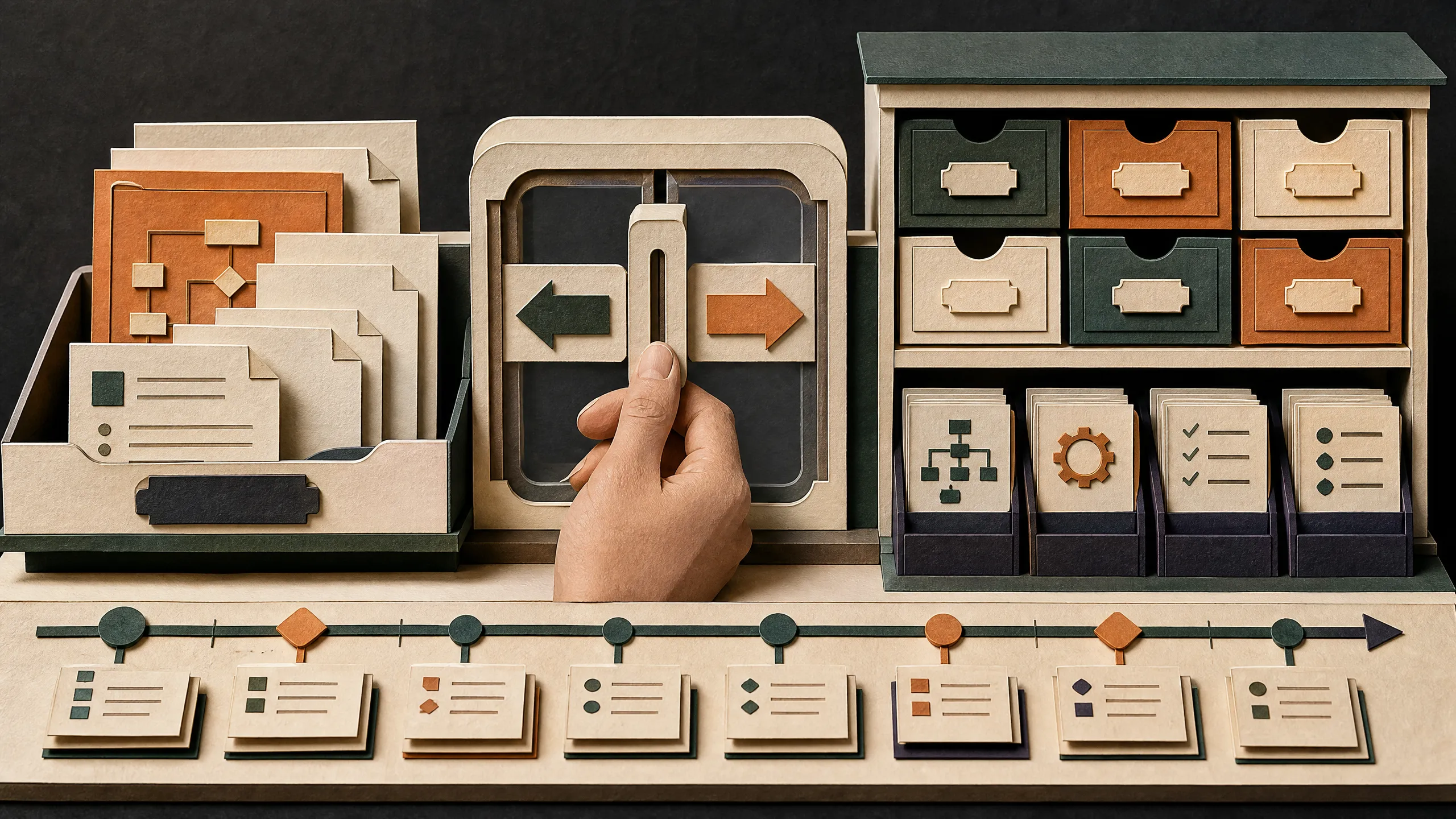
Hermes can become more useful over time, but “remember everything” is a poor default. Durable memory should contain a small number of facts and preferences. Skills should contain repeatable procedures. Both deserve an approval desk.
/memory is the consent desk
/memory
/memory approval on
/memory pending
/memory approve 1
/memory reject 2
With approval enabled, proposed writes wait for review. Inspect the wording, scope, and sensitivity. Approve durable facts such as “I prefer Traditional Chinese for Hong Kong audience copy.” Reject secrets, temporary project status, guesses about you, and details that belong in a project file.
Hermes keeps compact MEMORY.md and USER.md budgets. They are loaded at session start; an approved write may not influence the already-running session. Start or resume a new session before testing it.
/skills is the procedure desk
/skills list
/skills search research
/skills inspect <name>
/skills install <package>
/skills check <name>
/skills update <name>
/skills audit <name>
/skills uninstall <name>
Search and inspect before installation. Hermes scans packages and applies source/security policy, but a clean automated report is not a guarantee. Read what the skill asks Hermes to access or run. Gateway installs and other writes should flow through approval review.
Use memory for “what is true or preferred.” Use a skill for “how to do the job.” Use a normal project file for detailed requirements, data, and versioned decisions.
/refine: review the current learning
After a substantial conversation:
/refine focus on my research preferences and reusable source-checking workflowRefine takes a snapshot and runs a background review for possible memory and skill improvements. It needs a non-empty conversation, spends model tokens, and respects the same approval gates. It does not silently rewrite the active prompt cache.
/journey: see the knowledge map
/journey opens a visual audit of skills and memory on CLI, TUI, or Desktop. It is not available through messaging surfaces. Use it to find overlapping skills, surprising links, or sensitive facts that should not be durable.
Deletion deserves care: journey skill deletion archives the skill; memory deletion is destructive. Read the selected node and exact target before confirming.
What users say
Tony Simons argued that users should let Hermes interview them about goals, habits, and workflow improvements instead of only issuing prompts. That is useful when paired with consent: reflection can suggest better durable context, but you still decide what gets saved.
Miss Sentient’s security hesitation about connecting Notion and Gmail is equally instructive. Personalisation does not require granting every integration. Start with reviewed local preferences and widen access only for a clear task.
Official behavior is covered by the stable memory and skills guides.
A monthly hygiene routine
- Open
/memory pending; reject temporary or sensitive proposals. - Run
/skills list; inspect unfamiliar and overlapping procedures. - Use
/refineafter a conversation that discovered a genuinely reusable method. - Audit the result in
/journeyand test changes in a new session.
Frequently asked questions
Will approved memory affect this same session?
Not necessarily. Memory is frozen at session start; test it in a new or resumed session.
Should Hermes remember a password or API key?
No. Use the appropriate secret store and never put credentials in memory or a skill.
Is a skill safer because it passed a scanner?
No scanner is complete. Inspect instructions, scripts, permissions, and source provenance.
Does /refine change things without asking?
It proposes improvements through the configured approval gates.
Does /refine cost tokens?
Yes. It uses a background model review.
Can I use /journey from Telegram?
No. Use CLI, TUI, or Desktop.
Is journey deletion reversible?
Skill deletion archives, but memory deletion is destructive. Verify the exact node.